How an ICF Foundation Cuts Your Heating and Cooling Bills
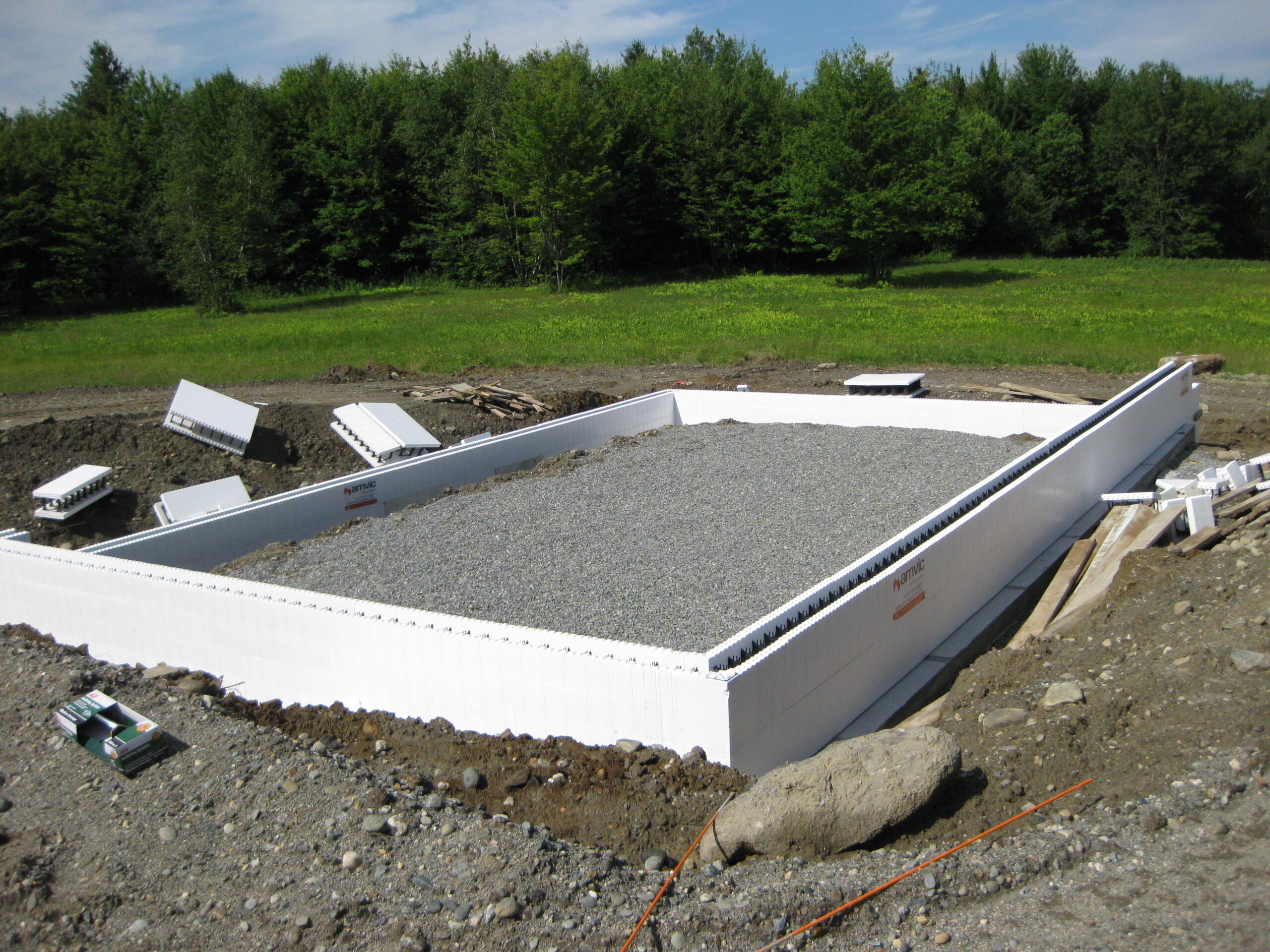
Most people shop for energy efficiency above grade — windows, attic insulation, a better furnace. But the foundation is one of the largest surfaces of the building envelope, and an uninsulated one leaks heat all winter. An ICF foundation addresses that leak at the source.
1. Continuous insulation, both sides
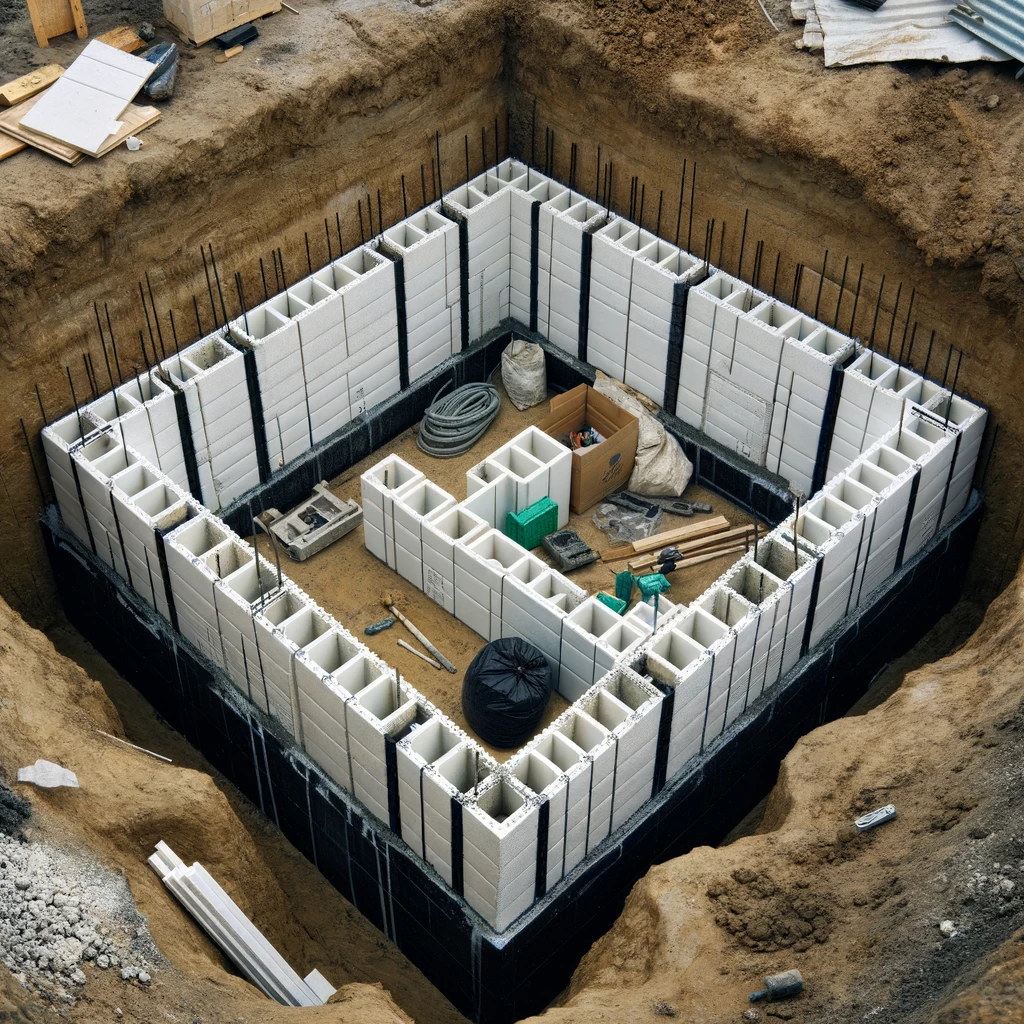
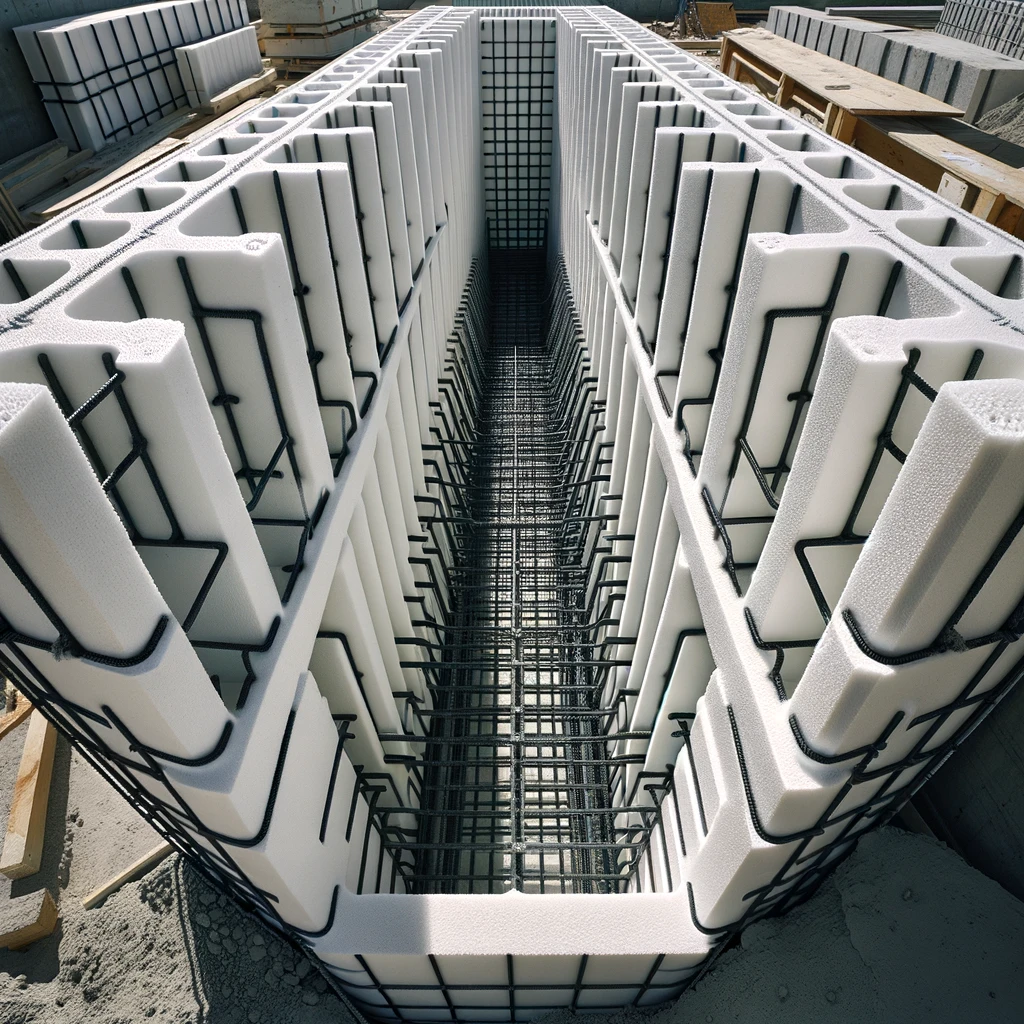
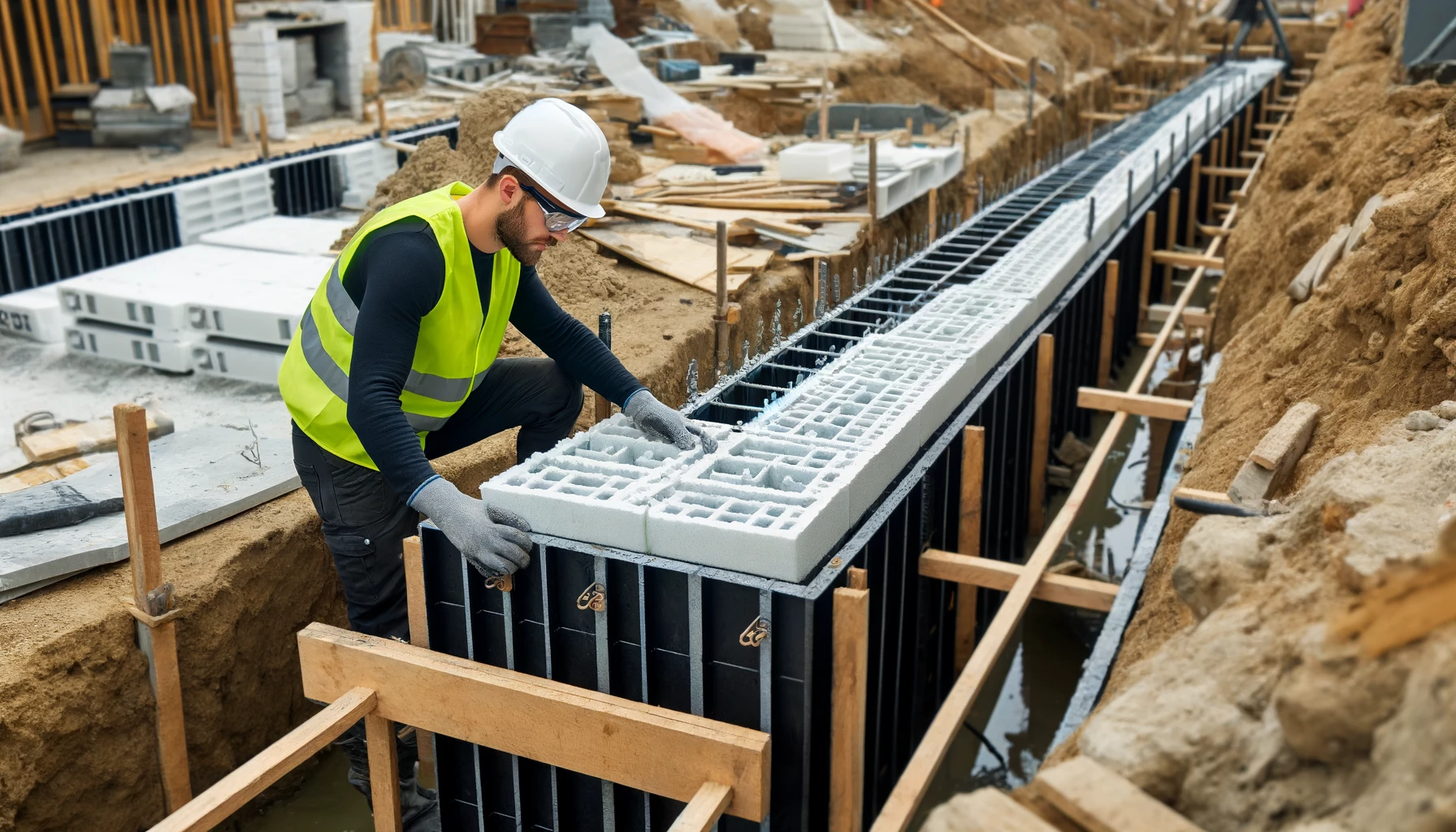
The EPS forms stay in place after the pour, wrapping the concrete in insulation on the inside and outside faces with no gaps. Unlike a stud wall, there are no wooden members bridging heat straight through the assembly — the insulation is continuous, which is what actually delivers rated performance in the real world.
2. Thermal mass that works for you
Concrete stores heat. Wrapped in insulation, the wall core absorbs warmth when the house is warm and releases it slowly, flattening temperature swings. The furnace or heat pump runs in shorter, steadier cycles instead of chasing a basement that is always cold.
3. An airtight wall
A poured-in-place concrete wall inside foam forms is effectively airtight — there are no joints, cavities or seams for air to move through. Air leakage is one of the biggest hidden drivers of heating cost, and the ICF wall simply doesn't have the pathways.
What it feels like
The saving shows up on the utility bill, but owners describe it differently: a basement that doesn't feel like a basement. Floors above the foundation are warmer, the space is usable in January without a space heater, and the whole house holds a steadier temperature. That comfort is the daily return on the foundation decision — the lower bills are the measurable one.
Planning a build? Get the foundation priced properly.
Send us the drawings — or just the lot and what you're planning. 51 Foundation manufactures its own ICF blocks, so your quote covers materials and labour from one accountable source.