How Fast Can an ICF Foundation Go Up?
Speed is one of ICF's practical advantages, but it's worth understanding where the speed actually comes from — because it isn't about rushing. It's about how few steps the system has.
The sequence
- Set out and footings — the same starting point as any foundation.
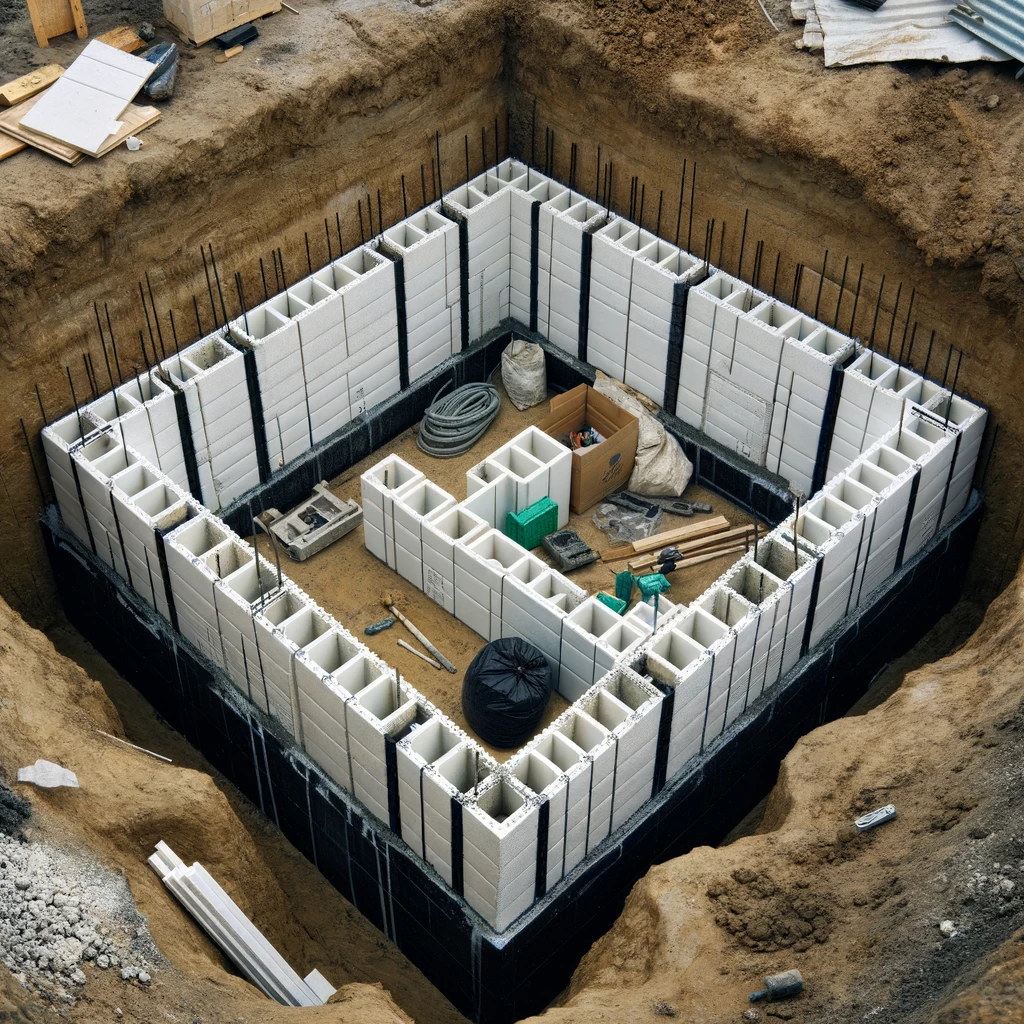
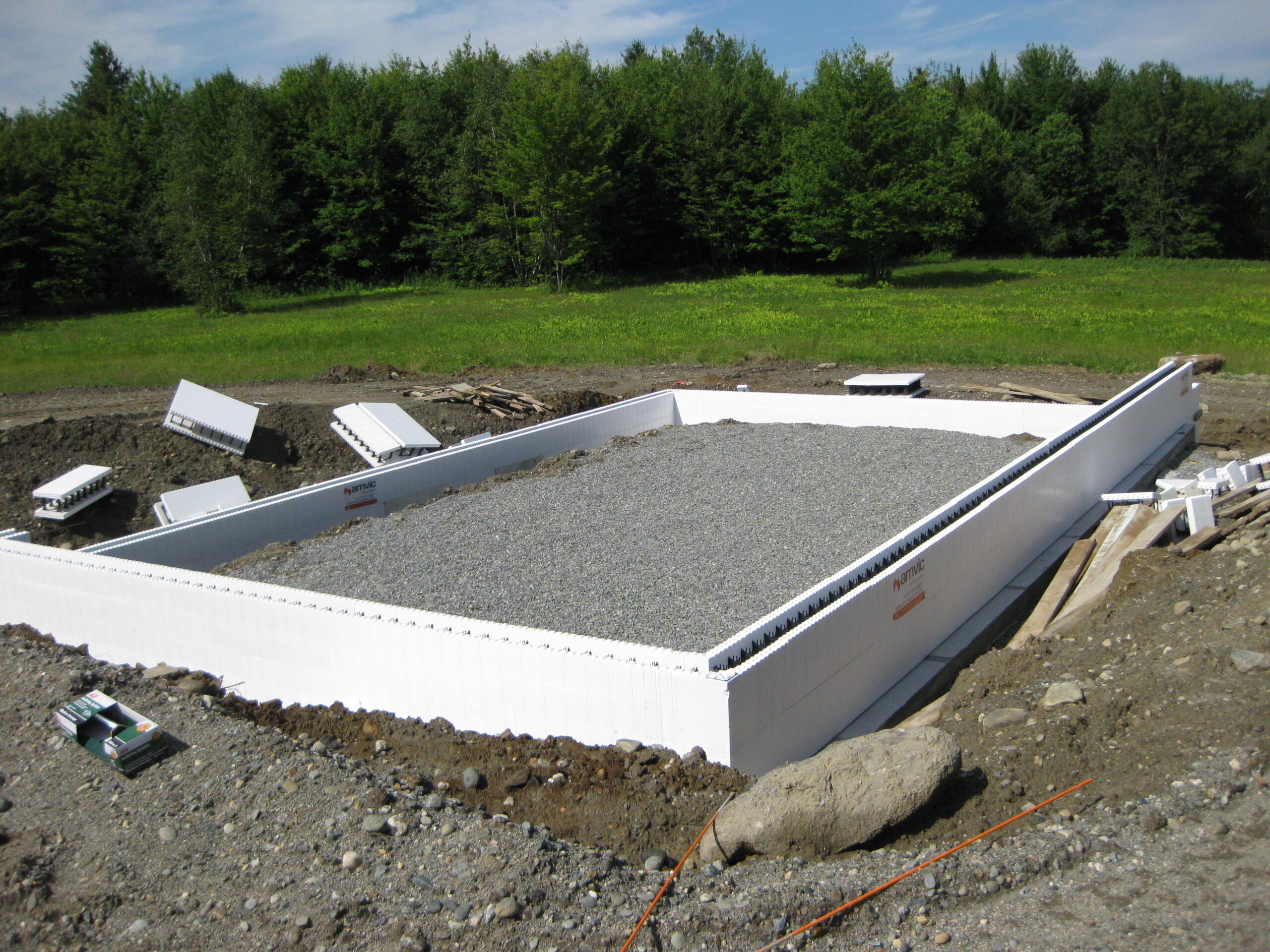
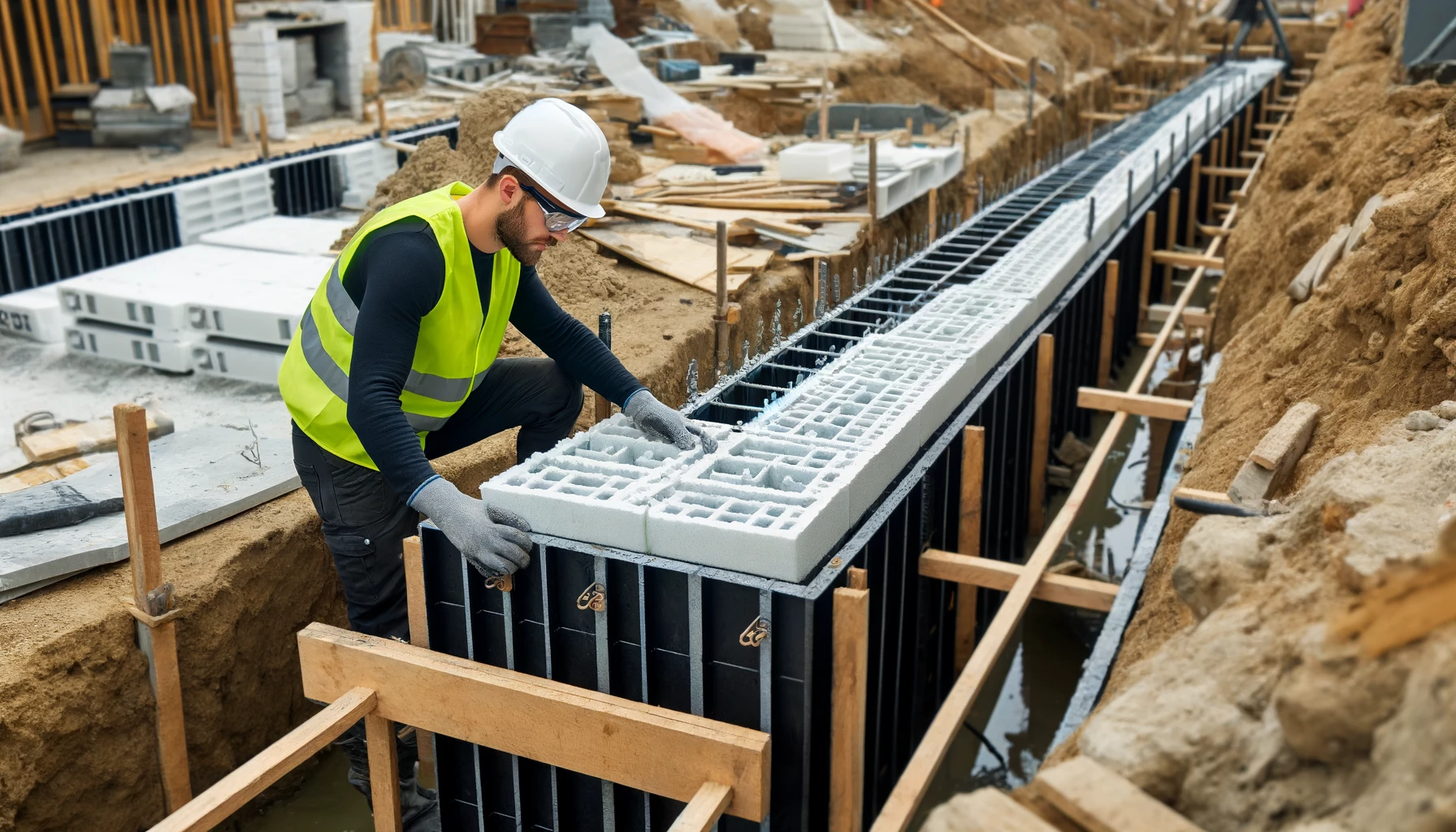
- Stacking — the blocks are light enough to handle without a crane and lock together course by course, so walls rise quickly.
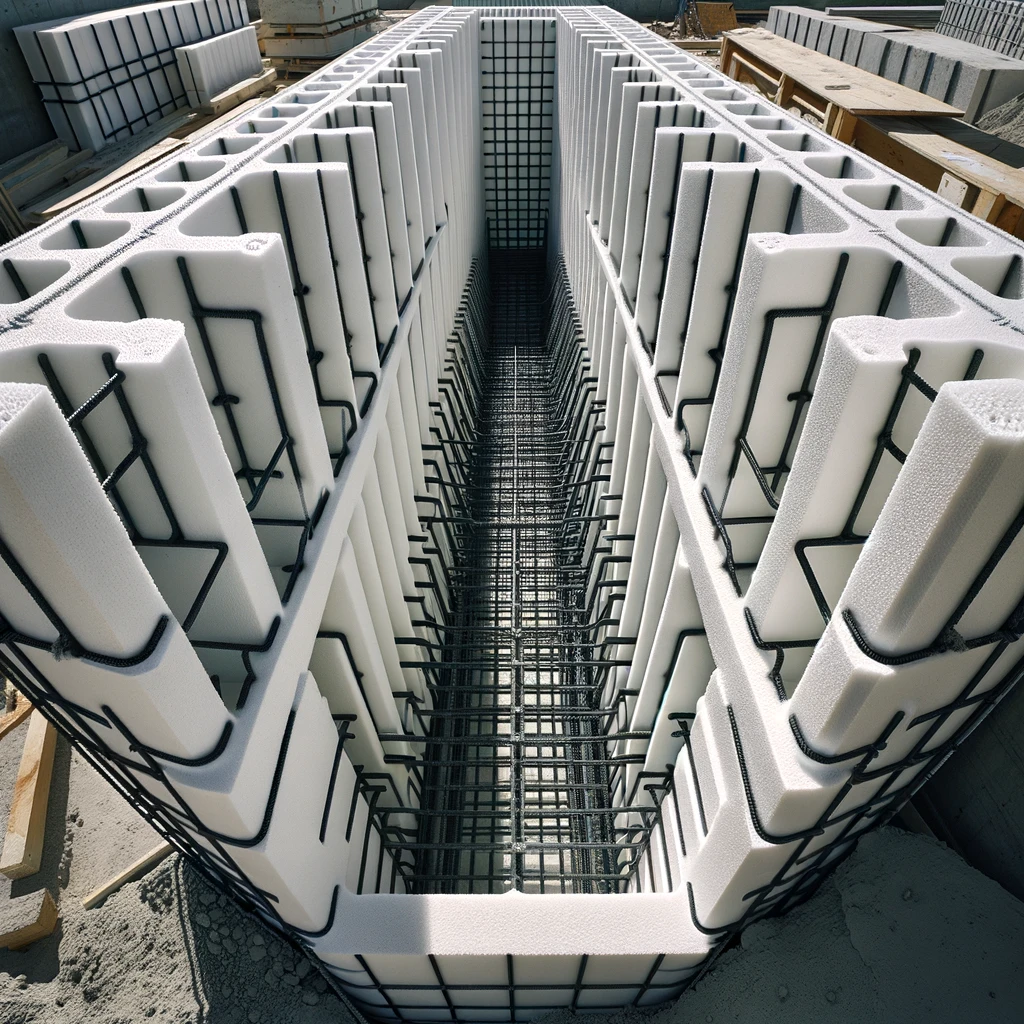
- Rebar and openings — steel is placed as the wall goes up; window and door openings are formed in the same pass.
- Bracing and alignment — the wall is braced and straightened before the pour. This step is not where you save time by cutting corners.
- The pour — concrete is pumped into the forms, usually in lifts, and the wall is checked as it fills.
- Done — there are no forms to strip and no insulation step to schedule. Once cured, the wall is a finished, insulated structure.
What actually controls the schedule
Weather windows for the pour, concrete delivery, inspections and the complexity of the footprint matter more than the stacking itself. A simple rectangle moves faster than a footprint full of jogs and steps. One schedule risk ICF removes entirely is material supply: at 51 Foundation the blocks come from our own factory, so the pour date isn't hostage to a distributor's warehouse.
Fast, and finished
The fairest way to count ICF's speed is to the finished wall, not the poured wall. A conventional foundation is 'done' sooner if you stop the clock at bare concrete — but then framing and insulating crews still have to come in. The ICF wall comes off the pour ready for the trades that follow, and that is where the calendar is really won.
Planning a build? Get the foundation priced properly.
Send us the drawings — or just the lot and what you're planning. 51 Foundation manufactures its own ICF blocks, so your quote covers materials and labour from one accountable source.